STARCHES

Starches for pet food

Starches for pet food

Starches for pet food

Starch decides more about a finished piece than almost anything else in the formula. Expansion, density, durability, how it behaves under water, and how much of the energy in it the animal can actually reach.

Starch decides more about a finished piece than almost anything else in the formula. Expansion, density, durability, how it behaves under water, and how much of the energy in it the animal can actually reach.

What starch is really doing in your formula
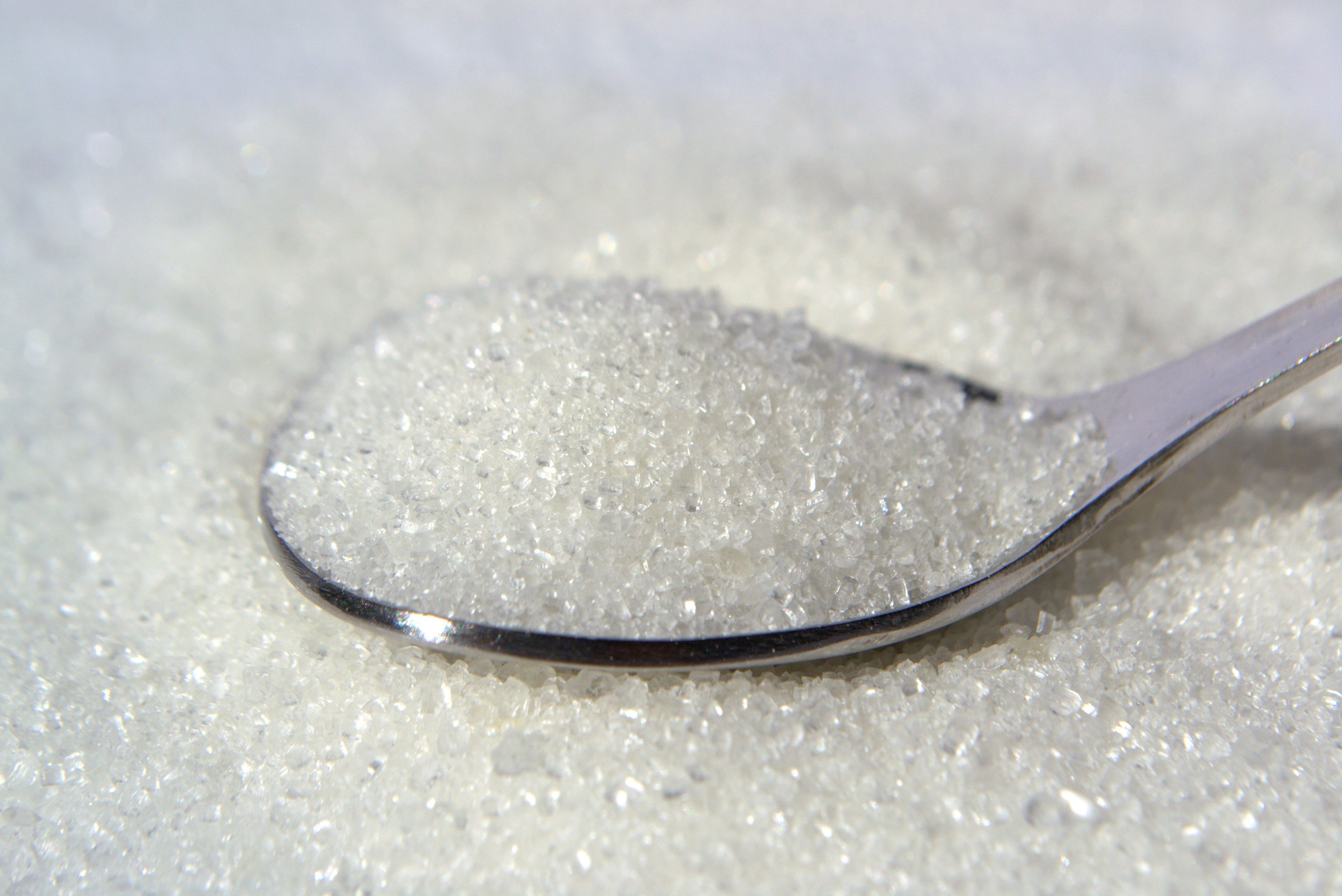
In extruded pet food, starch works mainly as the structural matrix rather than as an energy source. Heat, moisture and shear break open the starch granule, the released polymers form a viscoelastic melt, and that melt is what holds steam at the die and sets into a kibble.


Starch works four jobs at once, and they pull against each other.


Expansion and density come first. The gelatinized matrix traps the steam that inflates the piece as it leaves the die. That sets bulk density, porosity, and whether the piece floats. Density then decides how much fat and palatant the surface will take in coating, so a starch decision made at the front of the line shows up again at the very end of it.


Binding and durability come from the same matrix. Cooked starch, particularly the amylose fraction, is the glue holding meat, fiber and minerals together. It governs hardness and it governs fines. If you are seeing breakage in the bag after a shipping lane change, the starch system is the first place to look, not the packaging.


Digestibility and energy depend on the cook. Raw starch is poorly digested. Cooking makes it available. Degree of cook is therefore a direct lever on stool quality and on how much of the energy you formulated for the animal actually gets. Under-cooked starch is energy you paid for and did not deliver.


Gut effects come last. Under-cook, or let cooked starch re-associate during cooling and storage, and you create resistant starch, which behaves like fermentable fiber. That can be a deliberate positioning choice. More often it is an accident that shows up as inconsistent energy density between lots.

In extruded pet food, starch works mainly as the structural matrix rather than as an energy source. Heat, moisture and shear break open the starch granule, the released polymers form a viscoelastic melt, and that melt is what holds steam at the die and sets into a kibble.


Starch works four jobs at once, and they pull against each other.


Expansion and density come first. The gelatinized matrix traps the steam that inflates the piece as it leaves the die. That sets bulk density, porosity, and whether the piece floats. Density then decides how much fat and palatant the surface will take in coating, so a starch decision made at the front of the line shows up again at the very end of it.


Binding and durability come from the same matrix. Cooked starch, particularly the amylose fraction, is the glue holding meat, fiber and minerals together. It governs hardness and it governs fines. If you are seeing breakage in the bag after a shipping lane change, the starch system is the first place to look, not the packaging.


Digestibility and energy depend on the cook. Raw starch is poorly digested. Cooking makes it available. Degree of cook is therefore a direct lever on stool quality and on how much of the energy you formulated for the animal actually gets. Under-cooked starch is energy you paid for and did not deliver.


Gut effects come last. Under-cook, or let cooked starch re-associate during cooling and storage, and you create resistant starch, which behaves like fermentable fiber. That can be a deliberate positioning choice. More often it is an accident that shows up as inconsistent energy density between lots.

a bowl of flour sitting on top of a table

Amylose and amylopectin, the dial behind all of it

Every functional difference between starch sources traces back to one ratio: how much of the starch is linear amylose and how much is branched amylopectin.


Amylose is linear. It resists hydration, needs more heat, water and shear to gelatinize, and sets a firm gel with a strong film. It gives you durability, fewer fines, and a piece that holds a complex shape. It also retrogrades fast, which matters for shelf life and for digestibility drift after production.


Amylopectin is branched. It hydrates readily, gelatinizes at lower energy, and forms a soft gel. It gives you expansion and a light piece. It also gives you a stickier dough that cuts poorly, over-expands past the die, and produces more fines.


So the ratio is a design dial, not a spec to optimize. Chasing bulk density with amylopectin-rich sources costs you durability. Chasing durability with amylose-rich sources costs you expansion and raises the energy your line has to put in.


Amylose content by source, ranked. Published values vary between studies, so this is ordered by band rather than by point value. Verify against your own lots.


Waxy corn. Effectively no amylose. Maximum expansion, weakest binding, most fines.


Barley, hulled. Low. Expansion-leaning.


Potato. Low to moderate. Expansion plus size, common in grain-free.


Tapioca. Moderate, published values around 17 to 25 percent. Expansion-leaning, clean flavor, clean label.


Wheat. Moderate. Balanced, familiar processing behavior.


Corn, dent. Moderate. The reference case most lines are tuned around.


Sorghum. Moderate to high. Needs finer grind and higher cook.


Chickpea. High. Binding contribution plus protein.


Yellow pea. High. Strong binding, needs higher cook.


High-amylose corn. Very high, published values around 40 to 70 percent and above. Durability and resistant starch, poor expansion.


Two things are worth saying about that table rather than hiding them. Published amylose figures for the same crop disagree between studies, sometimes by several percentage points, because the measurement method and the variety both move the answer. And the number is not a fixed property of the ingredient anyway.


It moves with variety, origin and growing conditions. When an unchanged recipe suddenly starts breaking or running unstable, an amylose shift in a starch source is one of the first things worth checking, and it is one of the easiest to miss because nothing on the paperwork changed.

Every functional difference between starch sources traces back to one ratio: how much of the starch is linear amylose and how much is branched amylopectin.


Amylose is linear. It resists hydration, needs more heat, water and shear to gelatinize, and sets a firm gel with a strong film. It gives you durability, fewer fines, and a piece that holds a complex shape. It also retrogrades fast, which matters for shelf life and for digestibility drift after production.


Amylopectin is branched. It hydrates readily, gelatinizes at lower energy, and forms a soft gel. It gives you expansion and a light piece. It also gives you a stickier dough that cuts poorly, over-expands past the die, and produces more fines.


So the ratio is a design dial, not a spec to optimize. Chasing bulk density with amylopectin-rich sources costs you durability. Chasing durability with amylose-rich sources costs you expansion and raises the energy your line has to put in.


Amylose content by source, ranked. Published values vary between studies, so this is ordered by band rather than by point value. Verify against your own lots.


Waxy corn. Effectively no amylose. Maximum expansion, weakest binding, most fines.


Barley, hulled. Low. Expansion-leaning.


Potato. Low to moderate. Expansion plus size, common in grain-free.


Tapioca. Moderate, published values around 17 to 25 percent. Expansion-leaning, clean flavor, clean label.


Wheat. Moderate. Balanced, familiar processing behavior.


Corn, dent. Moderate. The reference case most lines are tuned around.


Sorghum. Moderate to high. Needs finer grind and higher cook.


Chickpea. High. Binding contribution plus protein.


Yellow pea. High. Strong binding, needs higher cook.


High-amylose corn. Very high, published values around 40 to 70 percent and above. Durability and resistant starch, poor expansion.


Two things are worth saying about that table rather than hiding them. Published amylose figures for the same crop disagree between studies, sometimes by several percentage points, because the measurement method and the variety both move the answer. And the number is not a fixed property of the ingredient anyway.


It moves with variety, origin and growing conditions. When an unchanged recipe suddenly starts breaking or running unstable, an amylose shift in a starch source is one of the first things worth checking, and it is one of the easiest to miss because nothing on the paperwork changed.

The four sub-types, and what each one is for

Native starch. Starch as it comes out of the grain, with the granule intact and unmodified. It gelatinizes under heat, moisture and shear, so it does its work inside your process rather than before it. Common starches begin gelatinizing in the low 60s degrees Celsius. High-amylose types need far more heat, with onset measured up to around 90 degrees Celsius, which is the same amylose effect showing up as a process cost.


Native starch is the default for extruded dry food, the cheapest route to the matrix, and the cleanest label. It is also the least tolerant. Native starch loses viscosity under high shear, low pH, or prolonged heat, which is why it is generally the wrong choice for a retort gravy or an acidified system.


Use it for: extruded kibble, baked treats, dusting and anti-stick applications, anywhere the process itself does the cooking. Watch for: shear, acid and long hold times. Any one of the three will take the viscosity out from under you.


Pregelatinized starch. Starch that has already been cooked and dried, so it hydrates and builds viscosity in cold water without further heat. You are buying the cook rather than doing it.


That matters in three places. In low-temperature or short-residence processes where there is not enough thermal energy to gelatinize native starch properly. In cold-mix applications where there is no cook step at all. And as a binder in formats that are pressed or formed rather than extruded, where you need cohesion without a hydrothermal cook to develop it.


Use it for: cold-processed treats, pressed and formed pieces, binding in low-starch or high-meat formulas, coating and adhesion systems. Watch for: dust and hydration control. Pregelatinized starch takes up water immediately, so it will lump if it is added badly, and it competes for water with everything else in the mix.


Modified starch. Native starch that has been chemically or physically altered to survive conditions native starch cannot. In the United States these are regulated as food additives under 21 CFR 172.892, "Food starch-modified," rather than sitting in the GRAS category native starch occupies. That is a label and a regulatory difference, not just a technical one.


The two modifications that matter most in pet food do different jobs and are often used together.


Cross-linking adds chemical bridges between starch chains, which reinforces the granule so it holds up under shear, acid and extended heat. This is what makes a starch survive retort. Acetylated distarch adipate (E1422) is the common cross-linked waxy maize type.


Stabilization, or substitution, blocks the sites where chains would otherwise re-associate on cooling. That is what stops syneresis, the weeping and water release that shows up in a gravy or a chunk-in-sauce product after a few freeze-thaw cycles or a few months on a shelf. Hydroxypropyl distarch phosphate (E1442) is the common stabilized type.


A dual-modified starch does both, and most wet and gravy systems need both, because the failure mode is two-stage: the granule has to survive the retort, and then the gel has to reform correctly afterward and stay reformed.


Use it for: wet and retort systems, gravies and sauces, freeze-thaw stability, anywhere the finished product sits in water for months. Watch for: label. This is the ingredient clean-label projects come to remove, and it is usually the one doing the actual work.


Specialty and tapioca. Tapioca sits in its own place because of what it does for the label rather than only what it does in the barrel. Amylose around 25 percent, so it behaves in the expansion-leaning half of the range, with a neutral flavor and a grain-free, gluten-free, allergen-friendly declaration. That combination is why it turns up in premium and limited-ingredient work far more often than its functional profile alone would explain.


Specialty starches cover the rest: high-amylose types where you want durability or deliberate resistant starch, gelling starches for confection-style and mogul-formed treats, and low-dust or non-caking grades for dusting and adhesion.


Use it for: grain-free and limited-ingredient positioning, allergen-sensitive lines, texture work that native corn cannot reach. Watch for: cost and supply. Tapioca is a single-origin crop for most buyers, so a substitution plan is worth having before you need one.

Native starch. Starch as it comes out of the grain, with the granule intact and unmodified. It gelatinizes under heat, moisture and shear, so it does its work inside your process rather than before it. Common starches begin gelatinizing in the low 60s degrees Celsius. High-amylose types need far more heat, with onset measured up to around 90 degrees Celsius, which is the same amylose effect showing up as a process cost.


Native starch is the default for extruded dry food, the cheapest route to the matrix, and the cleanest label. It is also the least tolerant. Native starch loses viscosity under high shear, low pH, or prolonged heat, which is why it is generally the wrong choice for a retort gravy or an acidified system.


Use it for: extruded kibble, baked treats, dusting and anti-stick applications, anywhere the process itself does the cooking. Watch for: shear, acid and long hold times. Any one of the three will take the viscosity out from under you.


Pregelatinized starch. Starch that has already been cooked and dried, so it hydrates and builds viscosity in cold water without further heat. You are buying the cook rather than doing it.


That matters in three places. In low-temperature or short-residence processes where there is not enough thermal energy to gelatinize native starch properly. In cold-mix applications where there is no cook step at all. And as a binder in formats that are pressed or formed rather than extruded, where you need cohesion without a hydrothermal cook to develop it.


Use it for: cold-processed treats, pressed and formed pieces, binding in low-starch or high-meat formulas, coating and adhesion systems. Watch for: dust and hydration control. Pregelatinized starch takes up water immediately, so it will lump if it is added badly, and it competes for water with everything else in the mix.


Modified starch. Native starch that has been chemically or physically altered to survive conditions native starch cannot. In the United States these are regulated as food additives under 21 CFR 172.892, "Food starch-modified," rather than sitting in the GRAS category native starch occupies. That is a label and a regulatory difference, not just a technical one.


The two modifications that matter most in pet food do different jobs and are often used together.


Cross-linking adds chemical bridges between starch chains, which reinforces the granule so it holds up under shear, acid and extended heat. This is what makes a starch survive retort. Acetylated distarch adipate (E1422) is the common cross-linked waxy maize type.


Stabilization, or substitution, blocks the sites where chains would otherwise re-associate on cooling. That is what stops syneresis, the weeping and water release that shows up in a gravy or a chunk-in-sauce product after a few freeze-thaw cycles or a few months on a shelf. Hydroxypropyl distarch phosphate (E1442) is the common stabilized type.


A dual-modified starch does both, and most wet and gravy systems need both, because the failure mode is two-stage: the granule has to survive the retort, and then the gel has to reform correctly afterward and stay reformed.


Use it for: wet and retort systems, gravies and sauces, freeze-thaw stability, anywhere the finished product sits in water for months. Watch for: label. This is the ingredient clean-label projects come to remove, and it is usually the one doing the actual work.


Specialty and tapioca. Tapioca sits in its own place because of what it does for the label rather than only what it does in the barrel. Amylose around 25 percent, so it behaves in the expansion-leaning half of the range, with a neutral flavor and a grain-free, gluten-free, allergen-friendly declaration. That combination is why it turns up in premium and limited-ingredient work far more often than its functional profile alone would explain.


Specialty starches cover the rest: high-amylose types where you want durability or deliberate resistant starch, gelling starches for confection-style and mogul-formed treats, and low-dust or non-caking grades for dusting and adhesion.


Use it for: grain-free and limited-ingredient positioning, allergen-sensitive lines, texture work that native corn cannot reach. Watch for: cost and supply. Tapioca is a single-origin crop for most buyers, so a substitution plan is worth having before you need one.

Where it gets harder than a spec sheet

Degree of cook is the number that actually matters, and it is not on the certificate of analysis. A published survey of commercial dog foods measured traditional grain-based diets at 86 percent gelatinization on average, with a spread of about four points either side, and grain-free diets higher at 95 to 98 percent. The same study measured total starch at about 35 percent of the diet in traditional formulas against roughly 20 to 22 percent in grain-free ones, which is most of why the gelatinization percentage looks better in the grain-free group: there is less starch there to cook. Those are study means with real variation around them, not a target we would hand you. Yours depends on your extruder, your grind and your lot.


More shear is not more cook. Past a point, higher screw speed shortens residence time and gelatinization falls. High moisture combined with high pressure can leave cook incomplete. The reliable way to raise degree of cook without degrading the starch molecule is to front-load heat and moisture in the preconditioner, so the thermal cook does the work instead of the mechanical cook.


Retrogradation is not preventable, only managed. After extrusion, as the piece cools and sits, dispersed amylose re-associates quickly and amylopectin follows slowly, forming structures that resist digestion. Measured digestibility of a product on the shelf trails the value you would get testing fresh extrudate. High-amylose formulas and anything held cold retrograde most. Which means that for dental chews, where hardness is the point, retrogradation is the mechanism you are designing for rather than against, and waxy starches are avoided precisely because they retrograde poorly.


Grind interacts with everything. Finer particle size lowers the energy needed to fully gelatinize. Sorghum and legume starches both need finer grinding and higher cook to reach the digestibility that corn and broken rice reach more easily. If you have moved to a legume-forward formula and your stool scores got worse, look at grind before you look at the legume.


Measure it. Degree of gelatinization drifts with ingredient lot, amylose content and line conditions. Enzymatic and DSC lab methods exist, and at-line near-infrared works for routine quality control. Set points are not a substitute for measurement.

Degree of cook is the number that actually matters, and it is not on the certificate of analysis. A published survey of commercial dog foods measured traditional grain-based diets at 86 percent gelatinization on average, with a spread of about four points either side, and grain-free diets higher at 95 to 98 percent. The same study measured total starch at about 35 percent of the diet in traditional formulas against roughly 20 to 22 percent in grain-free ones, which is most of why the gelatinization percentage looks better in the grain-free group: there is less starch there to cook. Those are study means with real variation around them, not a target we would hand you. Yours depends on your extruder, your grind and your lot.


More shear is not more cook. Past a point, higher screw speed shortens residence time and gelatinization falls. High moisture combined with high pressure can leave cook incomplete. The reliable way to raise degree of cook without degrading the starch molecule is to front-load heat and moisture in the preconditioner, so the thermal cook does the work instead of the mechanical cook.


Retrogradation is not preventable, only managed. After extrusion, as the piece cools and sits, dispersed amylose re-associates quickly and amylopectin follows slowly, forming structures that resist digestion. Measured digestibility of a product on the shelf trails the value you would get testing fresh extrudate. High-amylose formulas and anything held cold retrograde most. Which means that for dental chews, where hardness is the point, retrogradation is the mechanism you are designing for rather than against, and waxy starches are avoided precisely because they retrograde poorly.


Grind interacts with everything. Finer particle size lowers the energy needed to fully gelatinize. Sorghum and legume starches both need finer grinding and higher cook to reach the digestibility that corn and broken rice reach more easily. If you have moved to a legume-forward formula and your stool scores got worse, look at grind before you look at the legume.


Measure it. Degree of gelatinization drifts with ingredient lot, amylose content and line conditions. Enzymatic and DSC lab methods exist, and at-line near-infrared works for routine quality control. Set points are not a substitute for measurement.

Matching starch to the process

Extruded kibble. The starch has to gelatinize in-barrel, expand, bind and set. Where it usually goes wrong: under-cook on legume or sorghum grinds, and over-expansion and fines on waxy-heavy formulas.


Extruded and baked treats. Structure and bind at lower shear than kibble. Where it usually goes wrong: not enough thermal energy to cook native starch fully.


Wet, canned and retort. Survive sterilization, then reform the gel. Where it usually goes wrong: native starch used where cross-linked and stabilized starch is needed.


Gravies, pouches and toppers. Suspension, viscosity, and no syneresis over shelf life. Where it usually goes wrong: a bench formula that was never tested through a real retort schedule.


Semi-moist and soft treats. Bind and immobilize water at high moisture. Where it usually goes wrong: over-cooked starch giving a hard, dense piece.


Dental chews. Gelatinize, then retrograde to build hardness. Where it usually goes wrong: waxy starch chosen for expansion, which will not set up.

The clean-label problem, stated plainly

Most clean-label reformulations stall in the same place. The modified starch on the panel is the thing being removed, and it is also the thing holding the product together through retort or through shelf life.


There are real routes out. Native and functional native starches, pulse flours contributing both texture and protein, and physically modified starches that declare more simply than chemically modified ones. None of them is a drop-in. Each changes the process, usually toward more cook and tighter control, and each shifts the trade-off rather than removing it.


The honest version is this: a clean-label texture system generally costs more, needs more process attention, and has a narrower operating window than the modified starch it replaces. Projects that budget for that succeed. Projects that treat it as a like-for-like swap do not.

Where Calhu fits

We carry native, pregelatinized, modified and specialty starches across corn, tapioca and pulse sources, in Canada and the United States.


What we bring beyond the bag is the trade-off conversation. Tell us where in your process the texture is set and what is going wrong, and you will get a technical answer and a sample plan rather than a catalog. If the right answer is a starch we do not carry, we will tell you that too.


Tell us what you are formulating.

Common questions

What does starch actually do in kibble?

In extruded pet food starch is the structural matrix, not primarily the energy source. Heat, moisture and shear rupture the starch granule and the released polymers form a viscoelastic melt. That melt traps steam at the die, which is what expands the piece, and it sets on cooling into the structure that holds the kibble together.


What is the difference between native and modified starch in pet food?

Native starch is unmodified and gelatinizes inside your process, which makes it the cheapest and cleanest-label route, but it loses viscosity under high shear, low pH or prolonged heat. Modified starch is chemically or physically altered to survive those conditions. In the United States modified food starches are regulated as food additives under 21 CFR 172.892, while native starch is generally recognized as safe.


Why does my kibble expand well but break in the bag?

That combination usually points to a starch system that is too amylopectin-rich. Amylopectin gives maximum expansion and a light piece, but it forms a weak gel, so durability is low and fines are high. Raising the amylose fraction, by shifting toward wheat, sorghum or a high-amylose corn, trades some expansion back for strength.


Which starch works in a retort gravy?

Cross-linked and stabilized modified starch, usually a dual-modified type. Cross-linking reinforces the granule so it survives the thermal process; stabilization blocks the re-association that causes syneresis and weeping over shelf life. Native starch is generally the wrong choice because it will not hold viscosity through retort or through an acidified system.


Can you make a clean-label texture system without modified starch?

Yes, using functional native starches, pulse flours or physically modified starches, but none is a drop-in replacement. Each one narrows the process window, usually needs a higher degree of cook, and shifts the trade-off rather than removing it. Budget for reformulation and process work, not a like-for-like swap.


How much of my starch is actually gelatinized?

You have to measure it rather than infer it from set points, because it drifts with ingredient lot, amylose content and line conditions. Enzymatic and DSC methods work in the lab, and at-line near-infrared is used for routine quality control. A published survey of commercial dog foods measured traditional grain-based diets at about 86 percent gelatinization on average, with grain-free diets higher at 95 to 98 percent, largely because they carry much less total starch to begin with.

Let’s discuss your project.

Let’s discuss your project.

Tell us what you are making and where it is going wrong. We will come back with something specific.

Tell us what you are making and where it is going wrong. We will come back with something specific.

Calhu Ingredients

Ontario, Canada · Michigan, USA

Ontario, Canada · Michigan, USA

Disclaimer: All technical data, scientific studies, and formulation suggestions provided on this website are for informational and educational purposes only. They are intended solely for commercial B2B buyers and industry professionals. We make no warranties, express or implied, regarding the accuracy of this data or its suitability for any specific finished product. It is the sole responsibility of the manufacturer to conduct independent testing, validate safety, and ensure compliance with all local regulations (including AAFCO, FDA, or FEDIAF) prior to commercialization.

Disclaimer: All technical data, scientific studies, and formulation suggestions provided on this website are for informational and educational purposes only. They are intended solely for commercial B2B buyers and industry professionals. We make no warranties, express or implied, regarding the accuracy of this data or its suitability for any specific finished product. It is the sole responsibility of the manufacturer to conduct independent testing, validate safety, and ensure compliance with all local regulations (including AAFCO, FDA, or FEDIAF) prior to commercialization.